Table Of Content
- Things Your Hair Says About Your Health
- Use of Platelet Rich Plasma in Hair Disorders
- How we reviewed this article:
- Alopecia Areata
- Real-Life Dating Tips for People Living With Alopecia
- Plasma Therapy – Other Dermatologic Procedures
- Side effects of PRP for hair loss
- What is the average cost of PRP injections for hair loss procedure?
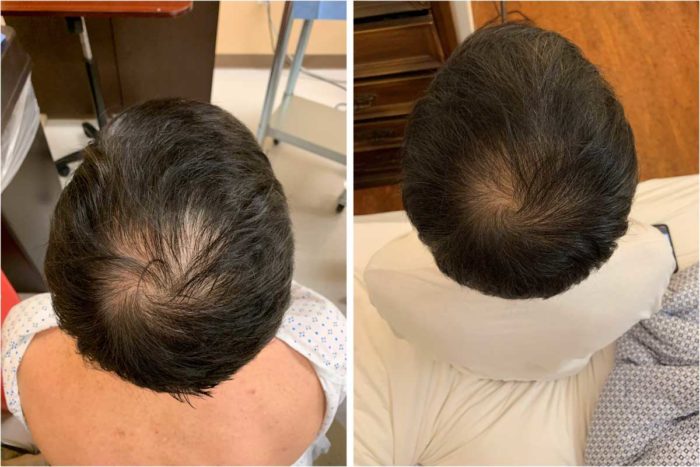
A small study published in the April–June 2014 issue of the Journal of Cutaneous and Aesthetic Surgery tested PRP on 11 men with androgenetic alopecia who had not had success after six months of medication. After three months, they received four treatments and saw their hair count increase by about 30 percent. PRP injections have been verifiably used to help the growth and healing of slow growing tissues like bones and teeth. Most studies have concentrated on using PRP injections to possibly help the growth of the native hair (and possibly the grafts if surgery was done) in the areas of hair loss and thinning. What these studies have shown so far is that the treatments do not help hair to re-grow on a completely bald head, so the earlier a treatment is started the better. Doctors began using PRP in dermatology after researchers found that high concentrations of platelets in plasma cells help promote hair growth by prolonging the growing phase of the hair cycle.
Things Your Hair Says About Your Health
After receiving PRP treatment, a person can usually return to their regular activities without any limitations. Researchers theorized that if they could extract concentrated platelets and inject them into damaged areas of the body, they could accelerate healing. To understand how PRP works, it is important to be aware of the role that platelets play in healing.
Use of Platelet Rich Plasma in Hair Disorders
PRP Hair Restoration is a fast and safe technique offering the most natural results compared to other hair loss procedures. Finally, keep in mind that the same healthy habits recommended for maintaining your physical health will also help your hair. Try to find ways to manage stress, and strive for a well-balanced diet that includes plenty of fruits and vegetables. If you have alopecia, you can help hold onto your tresses by avoiding behaviors that are known to contribute to temporary and permanent hair loss, Mirmirani says. “As soon as you notice hair loss is happening, you should come in,” says Lauren Eckert Ploch, a dermatologist in Aiken, South Carolina.
How we reviewed this article:
Different medical facilities use slightly different techniques for PRP therapy. For instance, some providers might suggest getting PRP injections more often than others. The PRP gets slurped up into a syringe without the other blood cells getting in the way. It also hasn’t been approved as a treatment by the Food and Drug Administration (FDA). However, famous athletes have been known to use these injections to help heal injuries.
These sessions help reinforce the initial treatment’s effects and support ongoing growth and health. Our expert clinicians can give you personalised advice on whether PRP injections are right for you based on your clinical symptoms, medical history, and personal preferences. It’s been a few months since the treatment and after getting a haircut close to the scalp to track results, I have noticed some of the fine hairs we discussed seem to be trying to find their light. Knowing that I’m taking other precautions to keep my hair where it is gives me confidence that it isn’t something I’ll have to worry about anytime soon. As the centrifuge quietly hummed, Deirdre Murphy, the nurse who drew my blood, started to lay out small syringes that would be used to inject my own growth factor-full PRP back into my skull.
There’s no risk of contracting a communicable disease with PRP therapy because it involves injecting your own blood into your scalp. Between 10 to 60 milliliters (mL) of your blood is drawn, typically from your arm, and put into a centrifuge. This is a machine that spins rapidly to separate fluids of different densities.
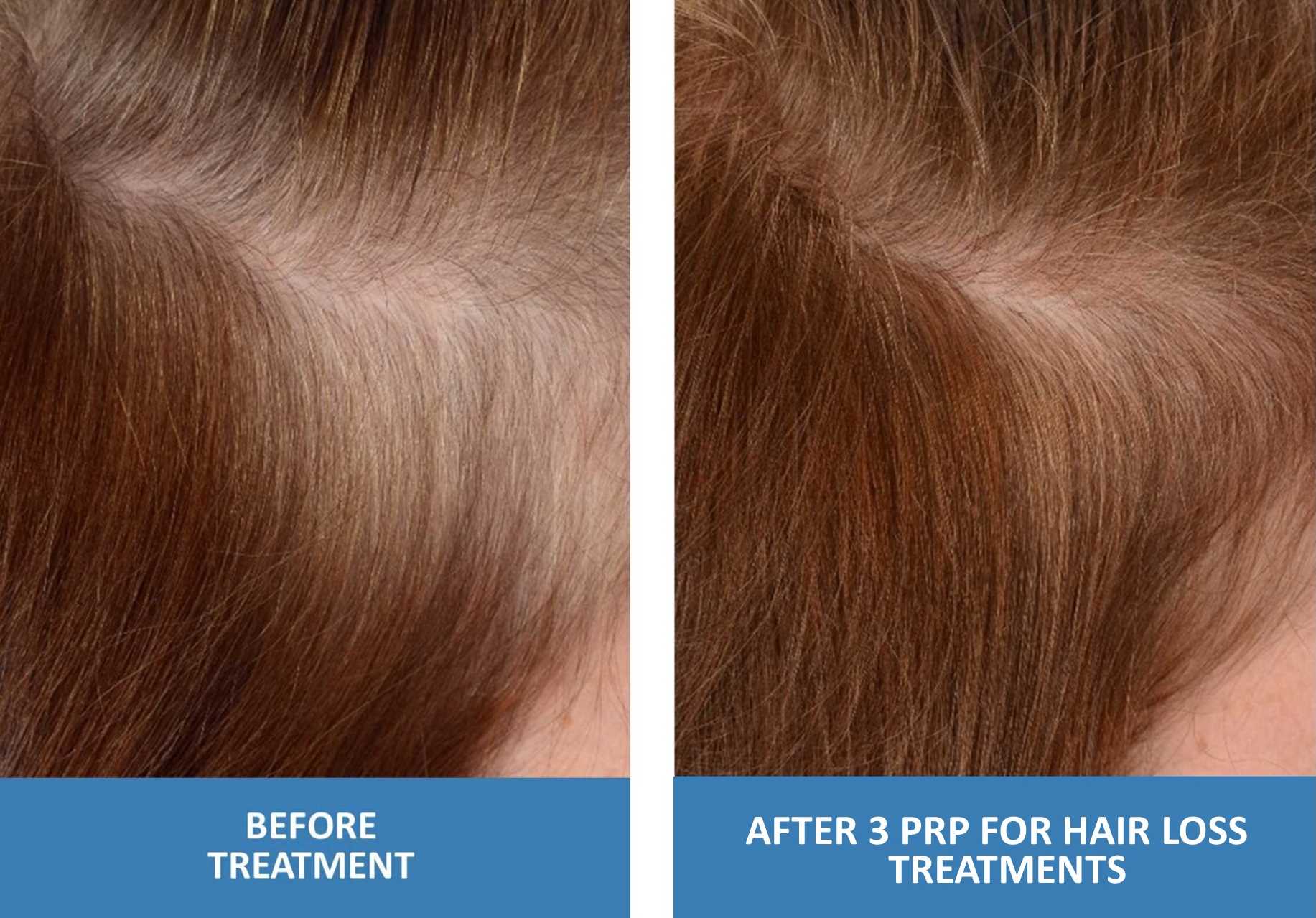
Friends, family members or an internist or primary care doctor are often helpful in suggesting the best surgeon. Aside from treating male pattern baldness, there isn’t a ton of research on PRP for hair growth, and it isn’t entirely conclusive. PRP injections may be able to treat a range of musculoskeletal injuries and conditions. The authors of an additional review of clinical studies, which the International Journal of Women’s Dermatology published, considered PRP to be a “promising” treatment for hair loss, based on their findings. While individual responses may vary, and optimal results often require multiple sessions.
Side effects of PRP for hair loss
The patients were divided into two groups, PRP was injected intra-operatively immediately after creating slits over the recipient area in PRP group while normal saline was injected in non-PRP group. But a new, natural therapy may offer more patients hope for hair restoration without surgery, pills, or topical ointments. Platelet-rich plasma (PRP) injection is a novel procedure that uses your own blood platelets – a type of cell that helps with healing throughout the body – to potentially reverse hair loss and grow new hair. You’ll get a routine blood draw, and a provider will place the blood in a centrifuge (which concentrates the platelets and the growth factors within the platelets).
Platelet Rich Plasma, also known as PRP, is a relatively new addition to the list of hair loss treatments. The theory is this that platelets store growth factors to help stimulate wound healing and tissue growth where it is needed. If you take a patient’s own platelets and re-inject them into an area that needs healing and growth, the body’s own mechanisms will improve the regeneration of the tissue.
Comparison of the Efficacy Between Regional Nerve Block and Ring Block as Local Anesthetic Techniques for Platelet ... - Cureus
Comparison of the Efficacy Between Regional Nerve Block and Ring Block as Local Anesthetic Techniques for Platelet ....
Posted: Fri, 09 Feb 2024 08:00:00 GMT [source]
In a Krager-published study from “Skin Appendage Disorders” by Alves Rubina, Grimalt Ramon, the history of the practice dates back to the 70s and is first used in the field of hematology, or the study of blood. PRP doesn’t deliver results immediately, so you shouldn’t expect to see a full head of hair overnight. You’ll likely need three monthly sessions followed by an appointment four to six months later, and then yearly maintenance sessions after that, Khetarpal says. You’ll likely start seeing regrowth before your third and fourth appointment, Khetarpal says. Historically, doctors have been able to stall or reverse hair loss by prescribing medicine or performing a hair transplant procedure, according to the American Academy of Dermatology.
But much of the research has been conducted on small study groups of 40 people or fewer. And there’s some promising research suggesting that PRP may work for other types of hair loss. If you are considering PRP injections, be sure to talk with your health care provider about all the benefits and risks. The entire process may take about 1 hour, and several sessions may be necessary.
You’ll be in and out of your doctor’s office in probably an hour or so. When PRP is injected after an injury, your doctor may recommend that you rest the affected area. However, these recommendations are more related to the injury and less to the PRP injections. Most people can continue their daily activities following PRP injections. Other times, a local anesthetic is mixed with the PRP to reduce any discomfort. In this instance, preparation for PRP injections would involve following your surgeon’s recommendations before surgery.
Because the treatment is cosmetic, insurance does not cover the procedure, Dr. Khetarpal says. A PRP injection is a low-risk procedure and does not usually cause major side effects. The procedure involves a blood draw, so you should make sure you are hydrated and have eaten beforehand to prevent feeling lightheaded. After the procedure, you may experience some soreness and bruising at the injection site.
PRP can be used as a new therapeutic option for hair loss including androgenetic alopecia and female pattern hair loss, either as a monotherapy or an adjuvant to conventional therapy or hair transplantation. PRP is also considered a safe, effective, steroid sparing, and alternative treatment for alopecia areata. Moreover, there was evidence showing that PRP can improve clinical symptoms in some types of cicatricial alopecia. PRP therapy uses the components found in your own blood to promote hair regrowth. Blood plasma contains platelets, which are rich in growth factors that stimulate regeneration and cell growth.


No comments:
Post a Comment